

How much can you earn from an apartment in central Gdańsk? Real figures from twelve months
Updated:
We hear this question more often than any other. Someone has bought a flat in the centre or inherited a studio near Długa Street, and wants to know one thing: how much will it pay per month. A range like „three to ten thousand” helps nobody, so we will do it differently. Below is one apartment from our portfolio, twelve months, month by month, with real figures.
One caveat first, because without it these numbers mislead: this is the result of one specific flat, not a forecast for yours. Why two similar apartments can differ by over ten thousand złoty a year is explained further down.
One apartment, twelve months
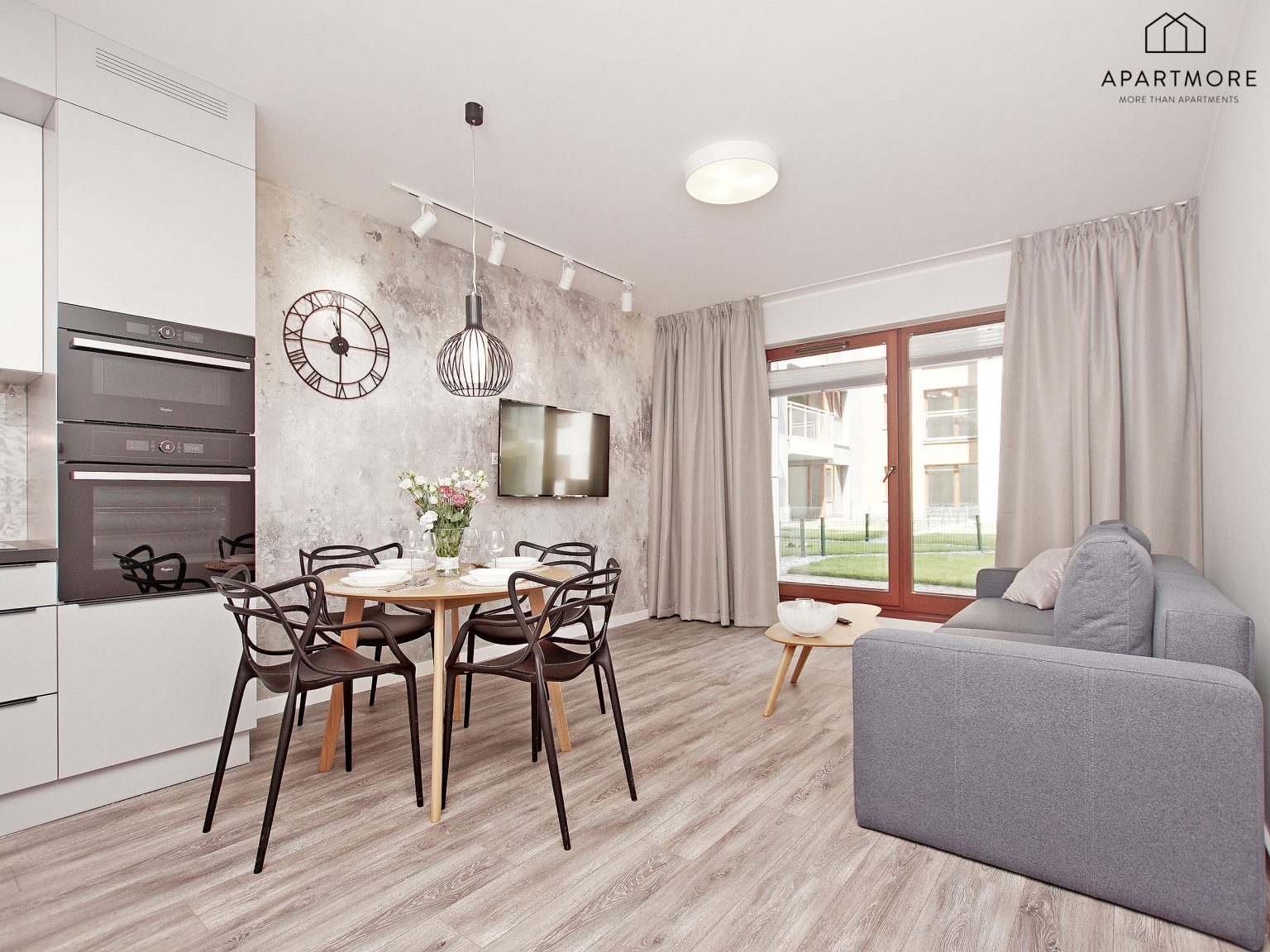
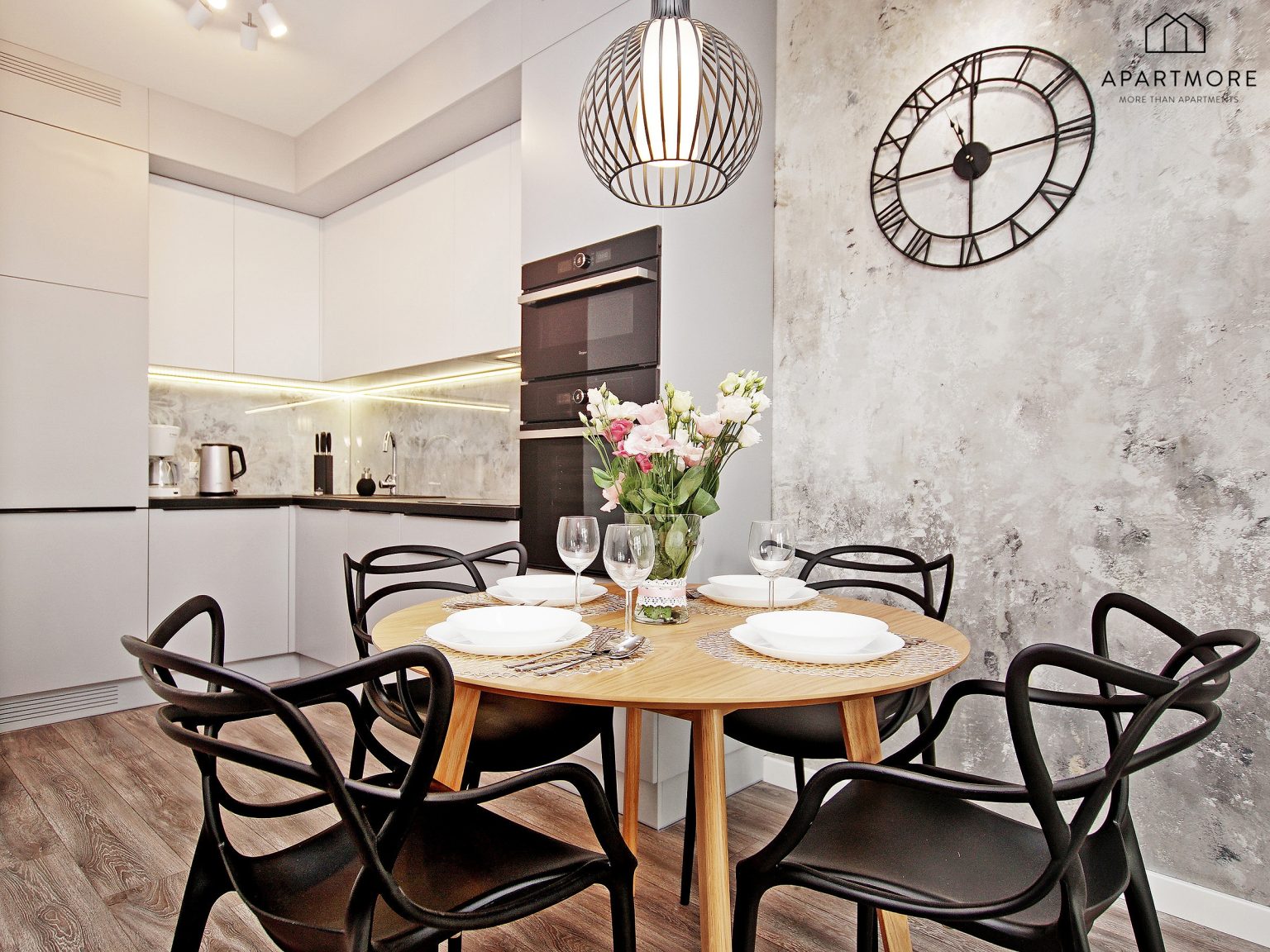
A four-person apartment in the very centre of Gdańsk, managed by us for years. This is the Manhattan apartment, one of the apartments we run. Period: September 2025 to August 2026.
| Month | Guest payments (gross) | To the owner | Nights |
|---|---|---|---|
| September 2025 | 5,611 PLN | 3,772 PLN | 23 |
| October 2025 | 5,139 PLN | 3,458 PLN | 24 |
| November 2025 | 3,608 PLN | 2,459 PLN | 16 |
| December 2025 | 7,412 PLN | 5,023 PLN | 19 |
| January 2026 | 1,559 PLN | 1,038 PLN | 8 |
| February 2026 | 3,698 PLN | 2,617 PLN | 19 |
| March 2026 | 2,555 PLN | 1,892 PLN | 14 |
| April 2026 | 5,088 PLN | 3,503 PLN | 17 |
| May 2026 | 8,223 PLN | 5,021 PLN | 22 |
| June 2026 | 8,180 PLN | 4,606 PLN | 18 |
| July 2026 | 10,109 PLN | 5,807 PLN | 25 |
| August 2026 | 14,284 PLN | 8,338 PLN | 24 |
| Year total | 75,466 PLN | 47,534 PLN | 229 |
Over the year that gives the owner an average of 3,961 PLN per month. The flat was occupied for 229 nights, meaning 63 percent of the year, across 73 bookings at an average rate of 330 PLN per night. The typical stay lasted three nights.
The column „to the owner” is the amount after VAT and after booking platform commissions, that is what actually reached the bank account. It does not yet include the fixed costs of the flat itself, covered below.
What decides whether your flat repeats such a result
Not one thing but several at once, and each can shift the outcome by more than ten percent.
- Location down to the street. Ten minutes of walking makes no difference in summer, because at the peak almost everything gets booked. It shows in October and in March, when the guest chooses, and chooses what is closer to the water and the historic centre.
- Capacity and layout. A flat for four with two bedrooms works differently from another four-person flat with one bedroom and a sofa bed in the living room, even at the same floor area.
- Standard and furnishing. An interior that photographs well is booked more often and at a higher rate. The gap between a randomly furnished flat and a considered one reaches several dozen percent of the nightly rate.
- Parking. A parking space in the centre of Gdańsk is a real pricing argument, especially for foreign guests, who often rent a car at the airport, and for those arriving by car for longer stays.
- Floor, lift and view. A fourth floor without a lift rules the flat out for some guests, and a view of the water lifts the rate with no investment at all.
- Review history. A flat rated 4.8 with a hundred reviews beats an identical one without a track record. It is built over months and then works for years.
That is why the figure in the table above is an example, not a promise. A sound forecast for a specific address is based on results of similar flats in the same neighbourhood, not on a city-wide average.
Guest payments are not the same as your payout
The biggest misunderstandings come from confusing two numbers. In the example above guests paid 75,466 PLN, and 47,534 PLN reached the owner. The difference is not hidden, it consists of three items.
VAT at 8 percent. Short-term accommodation falls under this rate. The tax is included in the price paid by the guest and goes to the tax office before anything is divided.
Booking platform commissions. That is the cost of bookings arriving on their own, from Booking and Expedia, rather than from an empty calendar. The rates we publish on the platforms account for their commission, so it is not an extra burden on the owner.
The operator’s commission. Ours is 20 percent of income, meaning of the amount after VAT and after platform commissions, not of the guest’s full payment. It covers booking handling, guest contact around the clock, cleaning, laundry, minor repairs and pricing.
What remains are the fixed costs of the flat itself, which the owner bears regardless of who runs it: the building fee, utilities, internet and property tax at the business activity rate. That last one tends to surprise people, so we described it separately in the article on taxes and the legality of short-term rentals.
The season makes a third of the year, but winter is not zero
The table shows it plainly. July and August produced 24,393 PLN. That is 32 percent of the entire annual revenue, earned in two months. August was nine times stronger than January.
What happens outside the season is more interesting. December, at 7,412 PLN, beat October twice over: in total and per night, 390 PLN against 214 PLN. The Christmas market and New Year’s Eve bring guests to Gdańsk who will pay a rate closer to June than to autumn. February with 19 nights produced more than November with 16. Winter is not dead, it is different: there are fewer nights, but the nightly rate can hold high.
An owner who counts only July and August is looking at one third of the picture. The remaining ten months produced 51,073 PLN in guest payments in this apartment.
Why we do not rely on a single platform
Bookings do not come from one place. The largest share comes from booking platforms, the rest from direct channels: our own website and returning guests.
Relying on a single platform is risky, because a change in its algorithm or policy can cut occupancy from one month to the next. For the owner it makes no difference which channel a booking came through, because the platform’s commission is accounted for in the price the guest sees. What matters is that the booking arrives at all, which is why it is worth asking an operator how many channels it actually sells on.
Short-term rental through a management company
The result in the table does not come from the flat alone. Behind those 73 bookings is daily work: running listings on several platforms, changing prices for events and demand, answering guests at any hour, cleaning and laundry between stays, minor repairs, settling the tourist tax and a monthly report.
An owner can do this alone and keep the operator’s commission, but takes on several dozen small matters a month and a phone that rings on Sunday. Or hands it to a management company and receives one amount in the account plus a booking-by-booking statement.
What to check before signing a contract, from the commission base to the notice period, we collected in the guide how to choose a rental management company in Gdańsk. Guest ratings of individual operators are compared in our ranking of rental management companies in the Tri-City.
Frequently asked questions
How much can you earn from an apartment in Gdańsk?
How does revenue differ from what the owner receives?
Is short-term rental more profitable than long-term?
How much of the time does the flat stand empty?
What does short-term rental through a management company look like?
When does Gdańsk earn the most?
Will I get a forecast for my flat?
Free property valuation
Would you like to know how such a table would look for your address? Send photos of the flat, a floor plan or a design, give the address and the floor area, and we will give a revenue range together with what will remain after costs, based on the results of similar apartments in the same neighbourhood. No obligation and no fee. One condition: the flat has to lie within the area we cover. Write through the short-term rental management page and we will get back to you.
And if you are only just buying a flat to rent out, get in touch before the purchase. We will tell you which locations have real potential and help you avoid expensive mistakes at the start.
Do you own an apartment?
We'll make it pay for you.
Higher rates with no effort on your part. Full occupancy in summer, steady income in winter. Your apartment works, guests are looked after, the 2 a.m. phone call goes to us, not to you. You leave us the keys, and you can finally sleep soundly. Renting you only think about once a month, when you see another payment landing in your account.